
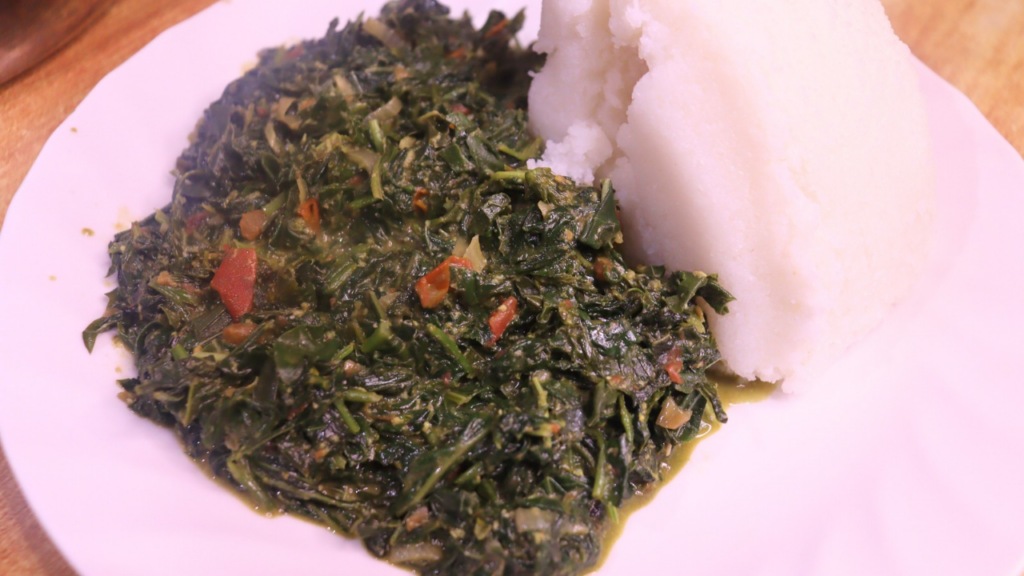
How to Cook Black Jack Leaves
Today I’m showing you how to cook black jack leaves without bitterness in a simple and practical way so you can enjoy one of Africa’s most nutritious traditional vegetables.
If you have ever avoided cooking black jack leaves because of their strong taste, this Black Jack Leaves Recipe will show you how to prepare them in a way that is flavorful, balanced, and enjoyable for the whole family.
The secret to cooking black jack leaves is combining tender black jack leaves with milder vegetables like sweet potato leaves, terere, managu, and kanzira, then finishing everything with cream to soften and balance the bold flavor.
And don’t worry if you don’t have these exact vegetables—work with what you have. The key is to ensure that your other vegetables are in a larger quantity than the black jack leaves. This helps to naturally balance out their strong taste and makes the dish more enjoyable, especially if you’re new to it.
Black jack leaves from Bidens pilosa are often dismissed as weeds, yet they are packed with nutrients and have long been valued as a traditional African vegetable. When prepared well, they become a nourishing and delicious addition to your table.
In this recipe, I’ll walk you through exactly how to cook black jack leaves so they turn out creamy, balanced, and perfect to serve with ugali for a wholesome meal that enhances hospitality for the glory of God.
How to Cook Black Jack Leaves Without Bitterness
Equipment
- Cooking pan or sufuria
- knife
- chopping board
- Wooden Spoon
- 2 Bowls for washing vegetables
- Measuring cups and spoons as needed
Ingredients
- 2 cups black jack leaves (young, tender leaves preferred)
- 2 cups sweet potato leaves (to balance bitterness)
- 1 cup terere (amaranth leaves)
- 1 cup managu (African nightshade)
- 1 cup kanzira leaves
- 1 large onion, chopped
- 2 cloves garlic minced
- 2 medium tomatoes, chopped
- 1 tbsp tomato paste
- 4-5 tbsps cooking oil
- Salt to taste
- Optional spices (I used black pepper, paprika & curry powder)
- ½ - 1 cup cream (fresh or store-bought)
Instructions
Prepare the Vegetables
Thoroughly wash all the vegetables, especially the black jack leaves since they grow wild. Loosely chop and set aside.Cook the Base (Sauce)
Heat oil in a pan and sauté the onions until soft and tender. Add garlic and cook until lightly golden and fragrant.Add Tomatoes
Add chopped tomatoes and tomato paste. Stir, reduce heat, and cover for a few minutes to allow the tomatoes to soften.Stir again, then add salt and spices. Let cook for a few minutes.Add the Vegetables
Add all the mixed greens and stir well to coat with the sauce. Allow them to wilt down—this happens quickly.Cook Briefly
Cover and cook for about 3 minutes until tender but still vibrant.Add Cream (Key Step)
Add cream generously and stir well. This step helps reduce the bitterness and creates a smoother, richer flavor.Finish Cooking
Cover and cook for another 1–2 minutes to allow the flavors to blend.
Video
Notes
Serving Suggestion
Serve hot with ugali for a wholesome and satisfying traditional meal.Notes & Tips
- Always use young black jack leaves for best results
- Mix with milder greens to balance the taste
- Cream helps neutralize bitterness, especially for beginners
- Avoid overcooking to preserve nutrients and color
Conclusion
Learning how to cook black jack leaves without bitterness opens the door to enjoying one of the most accessible and nutritious traditional vegetables. With the right balance of ingredients and a touch of cream, this dish becomes not only enjoyable but deeply satisfying.
It’s a beautiful reminder that even the simplest ingredients can nourish our families and support meaningful, God-honoring hospitality.
Stay Connected
Would you like more heartwarming homemaking ideas and faith-filled encouragement? Subscribe to the Formations of a Noble Woman Newsletter for updates, recipes, and devotionals that inspire godly living and hospitality.
And don’t miss out on more lively cooking experiences and budget-friendly recipes to help you enhance your hospitality fruitfully and affordably —
Subscribe to our YouTube channel: Recipes and Hospitality with Clara
Recommended:
How to Cook Kunde (Cowpeas Leaves