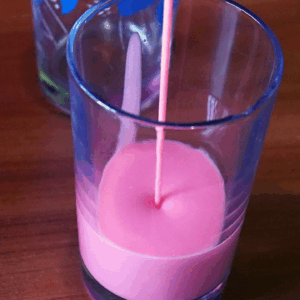
How to Make Yogurt at Home Without a Thermometer
Learn how to make yogurt at home the easy way without needing a kitchen thermometer. This creamy, probiotic-rich homemade yogurt is made with just 4 simple ingredients—perfect for families, budget-friendly kitchens, and anyone looking to enjoy healthy yogurt without additives. Customize it with your favorite essence or sweeten to taste!
Equipment
- 1 Large heavy-bottomed saucepan or pot
- 1 Large wooden spoon
- 1 Clean container (plastic or glass, e.g., jerrycan or jug)
- 1 Fine mesh sieve or strainer
- 1 Blanket, duvet, or insulated food basket for fermentation
- Measuring cups and spoons
- 1 Clean ladle or serving spoon
- Optional: Kitchen thermometer (if available)
Ingredients
- 4 liters whole milk (you can use less or more)
- 250 ml store-bought plain yogurt (Important: with live cultures – about 1 cup. Always ensure the yogurt you’re using as your starter contains "live cultures."
- ¾ tsp strawberry essence (or flavor of your choice)
- 1 cup sugar (or adjust to your taste)
Instructions
Step-by-Step: How to Make Yogurt at Home Without a Thermometer
- Boil the MilkStart by pouring 4 liters of milk into a large pot and bringing it to a boil over medium heat. If you prefer, you can use packet milk, but whole cream milk straight from the cow will give you creamier yogurt.Once the milk starts to rise, lower the heat and stir to avoid burning. Allow it to simmer gently for about 5–10 minutes, stirring occasionally. This step helps kill off any harmful bacteria and allows the cream to rise.Tip: The longer simmer helps you extract more cream, which you’ll remove later for a smoother yogurt.
- Cool the MilkAfter simmering, switch off the heat and let the milk cool to a warm temperature. If you have a kitchen thermometer, cool it down to about 42°C (107°F).But if you don’t have a thermometer (like me), here’s a simple trick: Wash your hands thoroughly and dip your clean finger into the milk. If it feels hot but not burning, the temperature is just right.Pro Tip: Cover the milk while it cools to avoid contamination from the kitchen environment.
- Remove the CreamAs the milk cools, more cream will rise to the surface. Use a spoon to gently remove as much of the cream as you can. This helps you get a lighter, smoother texture in the final yogurt.You can set aside the cream for other cooking uses.
- Add the Yogurt StarterOnce the milk is warm (not hot!), as tested with the finger test or thermometer, add in your plain yogurt with live cultures. Stir it in thoroughly using a clean wooden spoon.This yogurt acts as the starter—it contains the live cultures that transform your milk into yogurt overnight.Important Note: Make sure the yogurt you use is fresh and includes live cultures. Check the label before buying.
- Strain and Pour Into a Suitable ContainerNext, strain the mixture through a sieve into a clean container. This removes any remaining cream particles and helps create a smoother consistency.I used a clean jerrycan, but you can use any food-safe plastic or glass container.Continue straining and pouring until all the milk and yogurt mixture is in your container.
- Keep the Yogurt WarmCover the container tightly with its lid. Now it’s time to keep the yoghurt warm for the fermentation process to take place.There are a few easy methods to keep your yogurt warm:In my case, I wrapped it with a warm duvet and kept it undisturbed overnight. - Wrap it in a clean duvet or blanket. - Place it in a traditional basket warmer (if you have one). - Store it in a switched-off oven or microwave for insulation.
- Check Your Yogurt the Next DayBy morning, your yogurt should be ready! Gently shake the container or open and stir it—look for a thick, smooth texture.You’ve just made your own yogurt at home without a thermometer!
- Flavor and SweetenAt this point, your yogurt is technically ready to eat. Some people love it plain, while others (especially children!) prefer it flavored and sweetened.Here’s how I finished mine:Mix well using a wooden spoon until everything is fully combined. You can then add an essence of choice: I added ¾ teaspoon of strawberry essence to give it a pleasant flavor. Sugar: I added 1 cup of sugar to 4 liters of yogurt. You can reduce or increase the amount depending on your taste. Now your yogurt is flavored, sweetened, and ready to enjoy!
- Storage and Shelf LifeI like to keep my yogurt at room temperature for up to 3 days, or refrigerate it for up to 10 days to make it last longer.There was a time I had made a large batch and knew we couldn’t finish it all, so I stored some in the freezer. To my surprise, it was still very good once it had thawed completely. That said, I rarely have yogurt left over—everyone here loves it!Tip: Always scoop using a clean spoon to avoid introducing bacteria that can cause it to spoil faster.You can also save a small portion of this batch as your starter yogurt for your next round.
Notes
Common Questions About Making Yogurt at Home
-
Can I use long-life (UHT) milk?
-
Can I make yogurt without sugar?
-
How do I know the yogurt set correctly?
-
Is this homemade yogurt probiotic?
-
Can I double the recipe?