
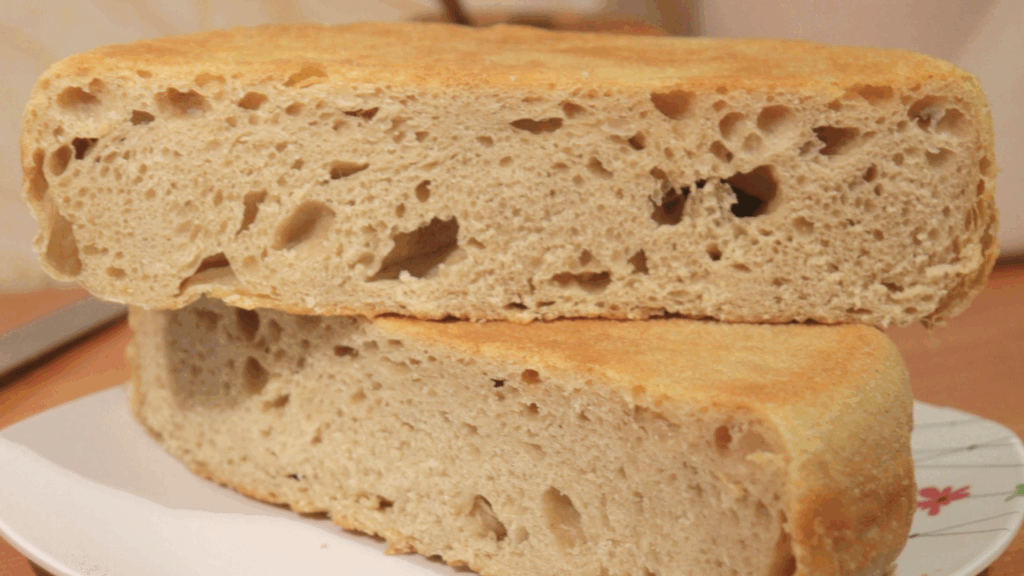
Sourdough Bread Without an Oven
Have you ever wanted to bake your own sourdough bread but felt limited because you don’t have an oven or a Dutch oven? You’re not alone. Many people assume sourdough baking is only possible with expensive kitchen gear or professional ovens. But the good news is—you can absolutely make delicious sourdough bread without an oven right in your own kitchen, using just your gas stove and a sturdy pot or pan/sufuria.
In this blog post, I’ll walk you through a step-by-step process for making soft, airy, flavorful sourdough bread without an oven, using tools you already have at home. This recipe has been tested over and over in my kitchen, and it’s become a staple for our family—no fancy equipment required.
Whether you’re new to sourdough baking or just looking for a more accessible way to make homemade sourdough bread, this guide will show you how to do it simply and affordably.
One of the main reasons I started baking sourdough bread was the health benefit. Sourdough fermentation breaks down gluten and phytic acid, making the bread easier to digest and more nutritious. Plus, the long ferment adds that signature tang and complex flavor we all love in sourdough. And let’s be honest—there’s something so rewarding about baking bread from scratch using just flour, water, salt, and your own wild yeast starter.
In case you are beginning the sourdough journey, you can find our easy Sourdough starter recipe with whole wheat flour here.
Don’t let the lack of an oven hold you back. If you have a gas burner and a passion for healthier homemade bread, this no-oven sourdough bread recipe is just what you need.
Let’s dive into the ingredients, tools, and method that will help you enjoy fresh, wholesome sourdough bread without an oven—right on your stovetop.
Why Make Sourdough Bread Without an Oven?
There are several reasons why making sourdough bread without an oven is a smart and satisfying option:
- Budget-Friendly: You don’t need to invest in a Dutch oven or an electric oven.
- Great for Small Spaces: Perfect for small kitchens, studio apartments, or off-grid living.
- Healthier Bread: Sourdough is easier to digest and more nutritious than commercial bread.
- More Accessible: Ideal for those living in areas with power limitations or gas-only kitchens.
- Great for Beginners: The process is simple, forgiving, and doesn’t require perfection.
Sourdough Bread Without an Oven: Easy Stovetop Recipe
Equipment
- 1 Fairly heavy pan (sufuria) with a lid
- 2 mixing bowls
- 1 Spatula or wooden spoon
- 1 Clean kitchen towel or plastic wrap
- Measuring cups and spoons as needed
- Gas stove
- 2 lids for helping flip the bread
Ingredients
- 3 ½ cups all-purpose
- ⅔ cup active sourdough starter (fed 4–6 hours before)
- 1 ½ cups warm water (may vary)
- 1½ tsps salt
Instructions
Mix the Dough
- In a suitable mixing bowl, add the flour and salt. Mix until well combined.In a separate large bowl, combine the active sourdough starter and 1 cup of water. Mix until the starter dissolves.Add the flour and salt mixture. Mix using a wooden spoon and spatula, adding the remaining water a little at a time until a rough, sticky dough forms. Switch to using your hands and mix until all the ingredients are well incorporated.Note: Flour brands may hydrate at different levels that’s why water may vary. Ensure though your dough is soft and sticky.Cover with a towel and let rest for 30 minutes.
Stretch and Fold
- Over the next 2 hours, do 4 to 6 rounds of stretch-and-folds (one every 20 to 30 minutes). This helps strengthen the dough. To do this: wet your hands, lift one side of the dough, stretch it up, and fold it by dropping it over the dough. Rotate the bowl and repeat 4 times per round.
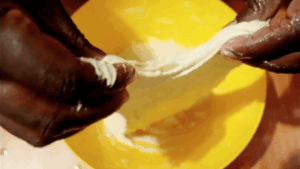
Bulk Fermentation
- Cover the bowl and let the dough ferment at room temperature for 7 hours, or until it doubles in size and looks airy. This timing may vary depending on room temperature and starter strength.
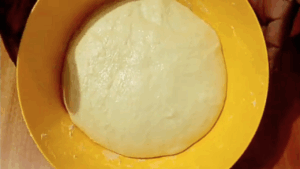
Shape the Dough
- Lightly flour your work surface. Turn out the dough, gently shape it into a round loaf (boule) by stretching and folding it over itself from its four corners, (one at a time) inward. Transfer it to a greased and dusted fairly heavy pan. Gently press it with the back of your fingers to stretch it to fit the bottom of the pan. If sticky, you can dust the back of your fingers.
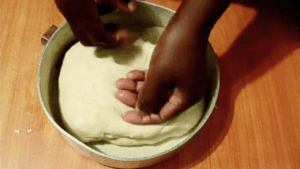
- Cover with a clean kitchen towel.
Final Proofing
- Let the dough proof for one more hour at room temperature or refrigerate overnight (up to 12 hours) for deeper flavor.
Preheat Your Pot on the Stove then Cook the Bread
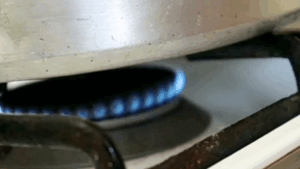
- Now cover the pan with it's lid and transfer it onto the gas stove over high heat to preheat it.If using a wide burner, don’t reduce to the lowest setting. The lowest setting for a wide burner is too high. It will burn the bread before it’s ready. Instead, reduce the flame as though you are switching off and reduce to a very, very low flame as shown below.(If using a tiny burner on the stove, immediately reduce the flame to its lowest setting.)
- Cook for 40–45 minutes until firm on the surface.
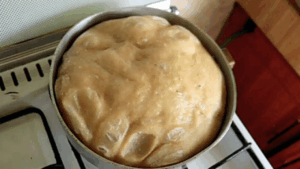
Brown the Surface
- Once the bottom is done, gently invert the sourdough bread into the pan by flipping it onto a clean lid then onto another clean lid so the surface of the bread is facing up again. Gently slide the pan over the bread to invert it back into the pan. Return it on the low flame and let it cook for another 20 minutes to brown the other side.
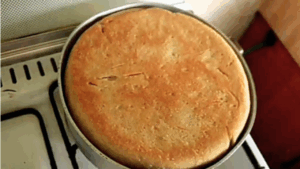
Cool and Slice
- Remove the bread and place it on a wire rack or plate to cool for at least 30 minutes before slicing. This allows the crumb to set.Your sourdough bread without an oven is ready to serve.
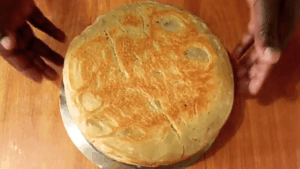
Video
Notes
Tips for Success
- Use an active starter: Make sure your starter is bubbly and active before using. Feed it 4–6 hours before baking.
- Don’t rush proofing: Allow the dough to double during bulk fermentation for the best texture and rise.
- Control the heat: low heat is best to avoid burning the bottom of the bread.
- Use a fairly heavy, or heavy pan: A heavy pot holds heat better and mimics the environment of an oven.
- Practice patience: The beauty of sourdough lies in the process. It gets better with every bake.
Storage Instructions
Once the sourdough bread without an oven has completely cooled, wrap it in a clean cloth or store it in a paper bag for up to 3 days at room temperature. For longer storage, you can freeze it.Serving Ideas
This no-bake sourdough bread is incredibly versatile. Here are a few ways to enjoy it:- Serve warm with butter and jam for breakfast.
- Slice and use it for sandwiches.
- Dip in soups or stews.
- Toast with avocado or nut butter.
- Make garlic bread with olive oil and herbs.
Final Thoughts
Baking sourdough bread without oven may seem unconventional, but it’s truly an empowering and practical skill—especially for home bakers who want to create wholesome food in a modest kitchen. You don’t need an electric oven or fancy tools to enjoy the joy and flavor of homemade sourdough.
This stovetop sourdough method brings bread baking back to its roots—simple, resourceful, and deeply satisfying. Whether you’re living in a small apartment, traveling, or just love the idea of baking naturally fermented bread with minimal tools, you’ll find this method incredibly rewarding.
So go ahead—give this sourdough bread without oven recipe a try. You’ll be surprised at how easy and delicious it is to make healthy, crusty sourdough bread right on your stovetop.
If you loved this recipe, be sure to check out this Basic No-Oven Sourdough Sandwich Bread Recipe here. I’m certain you’ll enjoy it too, plus more recommended simple and delicious recipes for your home and hospitality below.
Want more delicious recipes, hospitality tips, budget-friendly living ideas, and biblical encouragement for your journey?
Sign up for our FREE weekly newsletter here and receive uplifting content straight to your inbox.
You’re also warmly invited to subscribe to our YouTube channels here and here for video versions of this content and more inspiration for your home and faith walk.
Happy baking and God bless!
Recommended:
Easy Sourdough Starter Recipe for a Beginner
How to Ferment Porridge Fast With a Sourdough Starter
Sourdough Drop Scones With Dicard| Breakfast Recipe
Sourdough Mahamri Recipe| Swahili Doughnuts
Fermented Porridge Recipe the Natural Way